
Trendy children’s prints: trends for the upcoming season
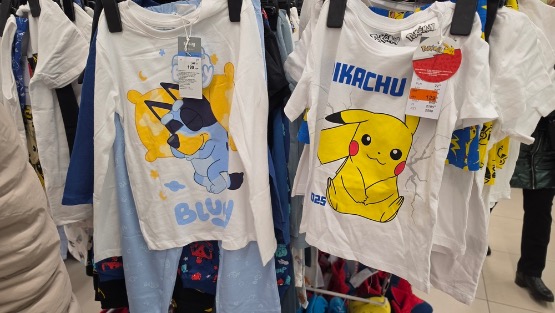
Where is design in the children’s sector heading? Which patterns truly connect with new generations and their families? In an increasingly competitive market, anticipating trends is not just an advantage but a strategic necessity for manufacturers, distributors, and brands linked to the children’s universe.
Trendy children’s prints have become a key element within the value proposition of companies in the sector. They not only provide aesthetic identity but also directly influence purchasing decisions, brand differentiation, and customer loyalty.
From ASEPRI, as a leading organization in the children’s products sector, it is essential to understand how these patterns are evolving and what opportunities they generate for the business ecosystem.
Trends in children’s prints for the upcoming season
In recent years, children’s design has undergone a significant transformation. It is no longer just about bright colors or classic characters. Today, prints reflect values, social trends, and new ways of understanding childhood. Companies must take into account factors such as:
- Sustainability and responsible materials
- Cultural diversity and representation
- Sensory and cognitive stimulation
- Emotional connection with parents and children
This evolution requires rethinking collections from a more strategic perspective, where graphic design aligns with brand positioning.
1. Reinterpreted nature
Natural motifs continue to lead, but with a more sophisticated approach. Leaves, animals, flowers, and landscapes appear with more artistic strokes, soft colors, and minimalist compositions.
This trend connects with the growing interest in sustainability and environmental education, values increasingly present in today’s consumers.
2. Retro aesthetics and nostalgia
Inspiration from past decades —especially the 70s, 80s, and 90s— is making a strong comeback. Warm colors, geometric shapes, and vintage-style characters create an emotional and familiar appeal.
For brands, this approach helps connect with parents through nostalgia, creating an emotional bond that influences purchasing decisions.
3. Abstract and artistic illustration
Prints are moving away from figurative designs to explore abstraction. Color splashes, irregular strokes, and artistic compositions provide a distinctive and modern touch. This type of design is especially valued in premium lines or brands aiming to position themselves as innovative.
4. Inclusive characters and diversity
Representation matters. New prints incorporate diverse characters in terms of ethnicity, gender, abilities, and lifestyles. This trend not only responds to social demand but also strengthens brand reputation and commitment to contemporary values.
5. Micro prints and repetitive patterns
Small repeated motifs are gaining prominence over large and overloaded designs. This type of print makes it easier to combine garments and adds versatility. It also allows for more efficient production in terms of fabric use and cutting, which is advantageous from an industrial perspective.
Strategic keys for companies in children’s prints
To leverage the potential of trendy children’s prints, it is essential to adopt a comprehensive approach that combines design, marketing, and production. Some key recommendations include:
- Analyzing international trends: Trade fairs, trend reports, and global benchmarking are essential
- Collaborating with specialized illustrators and designers: Creative talent makes the difference
- Testing collections before launch: Validating with real customers reduces risks
- Integrating storytelling into design: Every print should tell a story
In an environment where differentiation is critical, design becomes a top-level strategic tool.
The role of ASEPRI in driving the sector
ASEPRI acts as a bridge between companies, trends, and growth opportunities. Through initiatives, studies, and events, it facilitates access to key information for decision-making.
For member companies, staying updated on trends such as children’s prints represents a direct competitive advantage in both national and international markets. Contact us and we will help you every step of the way!
Frequently asked questions about children’s prints
What factors influence children’s print trends?
Children’s print trends are influenced by multiple factors, including global fashion, social changes, sustainability, and technology. Parents’ consumer behavior also plays a key role, as they seek products aligned with their values.
Additionally, social media and digital environments accelerate the spread of styles and patterns. For companies, understanding these factors is essential to anticipate demand and develop collections that effectively connect with the market.
How can companies adapt their designs to these trends?
Companies should focus on continuous research and collaboration with design experts. It is advisable to analyze trend reports, attend international trade fairs, and observe consumer behavior.
Maintaining a clear brand identity is also crucial, adapting trends without losing coherence. Flexibility in production and the ability to innovate quickly are key differentiators. Integrating multidisciplinary teams helps improve adaptability and competitiveness in the children’s sector.
How important is sustainability in children’s prints?
Sustainability is becoming an increasingly important factor in the design of children’s products. Consumers value eco-friendly materials, non-toxic dyes, and responsible production processes.
In prints, this translates into the use of less polluting techniques and designs that promote environmental values. For companies, incorporating sustainability not only enhances brand image but also responds to growing market demand and future regulations.
What types of prints are most popular in today’s market?
Currently, prints that combine aesthetics and values are the most appreciated. Nature-inspired designs, inclusive characters, and minimalist patterns stand out in the market.
Prints with storytelling elements, which convey a message or narrative, are also well received. Versatility and ease of combination are key aspects. Companies should seek a balance between creativity, functionality, and emotional connection with consumers.
How do prints impact purchasing decisions?
Prints are one of the first elements that capture consumer attention. They directly influence product perception and emotional connection with the brand.
An attractive design can differentiate a product at the point of sale and increase its turnover. Moreover, prints aligned with consumer values generate greater trust. For companies, investing in design is not an expense but a key strategy to improve conversion and positioning.