
Child safety during Easter: essential childcare products for safe travel
Is your company prepared to meet families’ needs during Easter travel? Are child safety standards truly being prioritized in the products you sell or recommend? This holiday period represents a strategic opportunity for the childcare sector, but also a critical moment where prevention and quality make the difference.
From a professional perspective aligned with organizations such as ASEPRI, it is essential to understand that traveling with children involves specific risks that must be addressed through effective, certified solutions adapted to different contexts: road travel, accommodation, outdoor activities, or urban mobility.
Essential child safety and childcare products for safe travel
Companies in the sector must anticipate the most common scenarios in family travel. It is not just about offering products, but ensuring they comply with European regulations, provide real value, and build trust with the end consumer.
During Easter, travel by car, train, or plane increases, as do stays in unfamiliar environments. This leads to changes in children’s routines and the need to reinforce child safety on multiple levels: transport, rest, feeding, and mobility.
Child restraint systems (CRS)
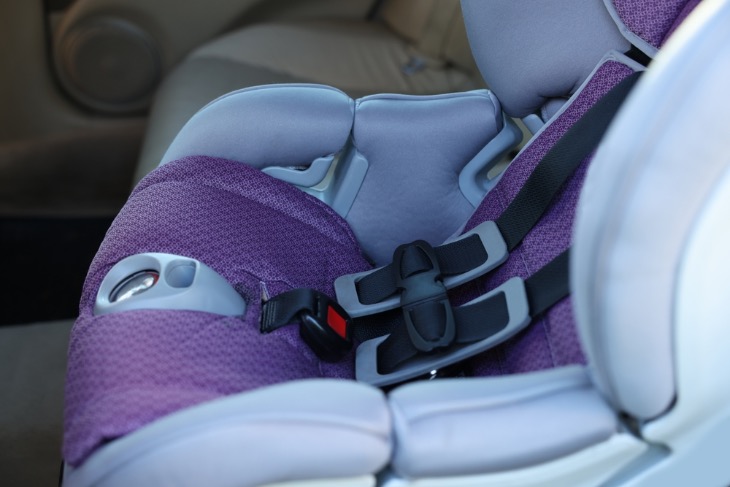
The most critical element in any road trip. Car seats approved under i-Size or R129 regulations are not only mandatory but must also be properly installed and adapted to the child’s weight and height.
For companies in the sector, it is key to focus on models that simplify installation (ISOFIX), reduce misuse, and enhance side-impact protection. Additionally, offering educational content increases perceived authority.
Safe and certified travel cots
A baby’s sleep outside the home is another critical point. Travel cots must meet standards for stability, ventilation, and durability. Portability alone is not enough; they must ensure a safe and comfortable environment.
Brands that incorporate breathable materials, easy folding systems, and European certifications have a clear competitive advantage.
Bed rails and home safety accessories
When families stay in hotels or vacation rentals, the environment is not always adapted for children. Bed rails, socket covers, and door blockers become essential. These simple products are crucial to maintaining child safety in unfamiliar spaces.
Ergonomic baby carriers
During getaways or tourist trips, many families choose babywearing. Ergonomic carriers must ensure proper positioning (M-position), weight distribution, and safe materials. For companies, it is important to communicate not only functionality but also the postural and developmental benefits of these systems.
Safe feeding systems
Travel requires adapting a child’s feeding routine. Portable bottle warmers, thermos containers, anti-spill tableware, and foldable high chairs are increasingly in demand. The key here is hygiene, ease of use, and certification of materials free from harmful substances.
Innovation and responsibility: keys for the child safety sector
Companies in the childcare sector must not only focus on products but also on consumer education. Investing in informative content, user guides, and practical recommendations strengthens authority and positions the brand as a reference in child safety.
Furthermore, technological innovation —temperature sensors, monitoring apps, and smart materials— is shaping a new stage in child protection.
Child safety is therefore a strategic commitment that defines consumer trust and brand reputation. In a context like Easter, where travel increases and environments change, companies have the opportunity —and responsibility— to offer solutions that truly make a difference.
Is your company ready to lead this change? Now is the time to strengthen your value proposition, review your catalog, and commit to excellence. From ASEPRI, we help you every step of the way to grow. Contact us!
Frequently asked questions about child safety during travel
What should a company consider when recommending child safety products for travel?
A company should consider current regulations, ease of use, and adaptability of the product to different situations. Not all trips are the same, so it is essential to offer versatile solutions.
It is also important to prioritize certified products and clearly communicate their correct use. Including guides, explanatory videos, and personalized advice improves the customer experience and reduces errors. Trust is built not only through the product, but through the knowledge provided.
Why is certification key in childcare products?
Certification ensures that the product has passed safety tests and complies with European standards. In the case of child restraint systems, for example, i-Size regulations guarantee greater protection in the event of an impact.
Companies should highlight these certifications as a key differentiator. Transparency in this aspect also improves perceived quality and reduces legal risks. Investing in certified products is not only an obligation but also a positioning strategy.
How does ergonomics influence child safety during travel?
Ergonomics is essential for a child’s physical development and well-being during travel. A poorly designed product can lead to incorrect posture, discomfort, or even long-term issues.
Baby carriers, car seats, and high chairs must adapt to the child’s body and be easy for adults to use. Companies should communicate these benefits clearly, highlighting studies or expert recommendations. Ergonomics is not an extra; it is a core element of safety.
What role does consumer education play in child safety?
Education is key to ensuring the correct use of products. Many accidents occur due to improper installation or misuse. Companies have the responsibility to inform, educate, and support their customers.
This includes everything from clear instructions to educational content on blogs, social media, or at points of sale. Becoming a reliable source of information positions the brand as a leader and builds customer loyalty. Child safety starts with knowledge.
How can companies innovate in child safety products?
Innovation can come from technology, materials, or design. Sensors that alert to extreme temperatures, antibacterial fabrics, or smart folding systems are clear examples.
It is also important to listen to consumers and identify real needs. Innovation should not be purely aesthetic, but functional and focused on improving safety. Companies that invest in R&D and collaborate with experts gain a clear competitive advantage in an increasingly demanding market.