
Advantages of digital textile printing in children’s clothing
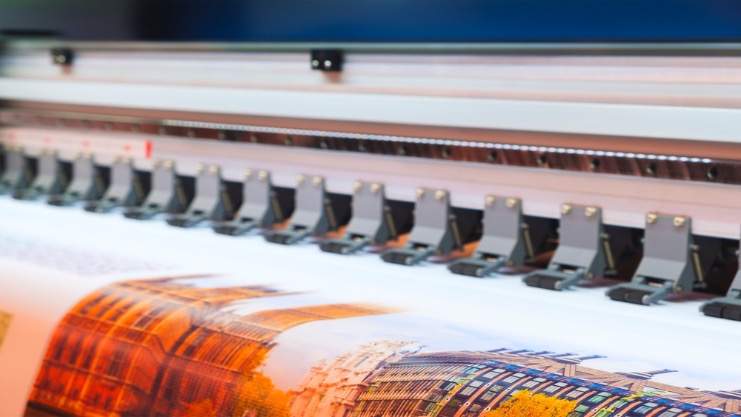
Is your company prepared to respond to an increasingly demanding, creative consumer committed to quality? Are you looking to differentiate your offer in the competitive children’s market? Digital textile printing has established itself as one of the most innovative and strategic solutions for children’s fashion brands seeking to add value, personalization, and efficiency to their production processes.
In the field of children’s products—where safety, sustainability, and design are key factors—this technology not only enhances garment finishes but also optimizes the supply chain. At ASEPRI, the Spanish Association of Children’s Products, we explain everything you need to know about it.
What Is Digital Textile Printing and Why Is It Transforming Children’s Fashion?
Digital printing on fabrics is a system that allows designs to be printed directly onto the textile using specialized inkjet technology. Unlike traditional methods such as screen printing or conventional sublimation, this technique enables short production runs, high-definition graphics, and a wide color range.
For children’s fashion companies, this represents a true revolution. Why? Because young consumers demand garments featuring characters, vibrant colors, detailed illustrations, and soft-touch finishes. Personalization and the ability to quickly adapt to trends are now clear differentiators in the market.
Advantages of Digital Textile Printing for Companies in the Children’s Sector
Understanding these technologies requires a careful analysis of trends—an especially sensitive aspect when it comes to children’s clothing.
1. Unlimited Personalization and Creativity
Direct-to-fabric printing allows brands to develop capsule collections, licensed collaborations, or exclusive designs without the need for large minimum production volumes. This is particularly relevant in a sector where trends change rapidly and differentiation is essential.
It also makes it easier to target specific niches, such as eco-friendly clothing, educational garments, or premium lines. Companies can test new designs without taking on significant financial risks.
2. Cost Reduction and Inventory Optimization
One of the major challenges in the children’s sector is stock management. Sizes change quickly and turnover is constant. On-demand production or short runs help reduce excess inventory and minimize the risk of overproduction.
Digital technology eliminates the need for physical screens and molds, reducing setup times and initial costs. This improves operational efficiency and allows brands to respond more flexibly to market demand.
3. Greater Sustainability and Environmental Commitment
Is it possible to combine attractive design with environmental responsibility? With digital textile printing, the answer is yes. This technique uses less water than traditional methods and allows for the application of more sustainable inks, reducing ecological impact.
In a market where parents increasingly value transparency and responsible production, communicating this commitment can become a clear competitive advantage.
4. Superior Quality and Safety in Children’s Garments
In children’s clothing, quality is non-negotiable. Digital textile printing provides smooth finishes without rough textures, enhancing garment comfort. It also offers better control over the inks used, facilitating compliance with regulations such as REACH and other European standards.
Success Stories in Digital Textile Printing: Cerdá and Street Monkey
Within the business ecosystem linked to ASEPRI, we find relevant examples of companies that are committed to textile innovation.
Cerdá
Cerdá is recognized for developing children’s collections based on international licenses. Its ability to integrate appealing design with advanced technological processes allows it to offer garments with detailed, durable prints aligned with global trends.
Incorporating digital techniques into its production processes enables agile adaptation to new market demands and the fast launch of themed collections.
Street Monkey
Street Monkey, a brand belonging to Reindeer Textil S.A., stands out for its focus on comfortable, functional children’s fashion with a strong identity. The use of modern printing technologies helps deliver creative designs without compromising quality or durability.
These examples show how technological innovation can be strategically integrated into established business models, strengthening the competitiveness of the Spanish textile sector.
Frequently Asked Questions About Digital Textile Printing in Children’s Clothing
Is digital printing safe for baby garments?
Yes, provided certified inks are used and European regulations are met. It is essential to work with suppliers who guarantee compliance with safety standards.
Is it cost-effective for small collections?
One of its key advantages is its viability for short runs. It allows brands to launch limited editions without significant upfront investment.
How does it affect garment durability?
When properly applied, digital textile printing offers good wash resistance and maintains color intensity over time.
Investing in innovation also means investing in knowledge. Having ASEPRI’s support means accessing up-to-date information, specialized advice, and a network of companies that share challenges and opportunities. In a competitive environment, the combination of technology, regulatory compliance, and strategic vision will make all the difference.